
Whole spices are an essential part of many cuisines around the world, especially Indian, Middle Eastern, Mexican, and Asian cooking.Whole spices hold onto their natural oils, flavor, and scent longer than ground spices. They can turn basic foods into rich, delectable dinners when toasted or prepared correctly.
Table of Contents
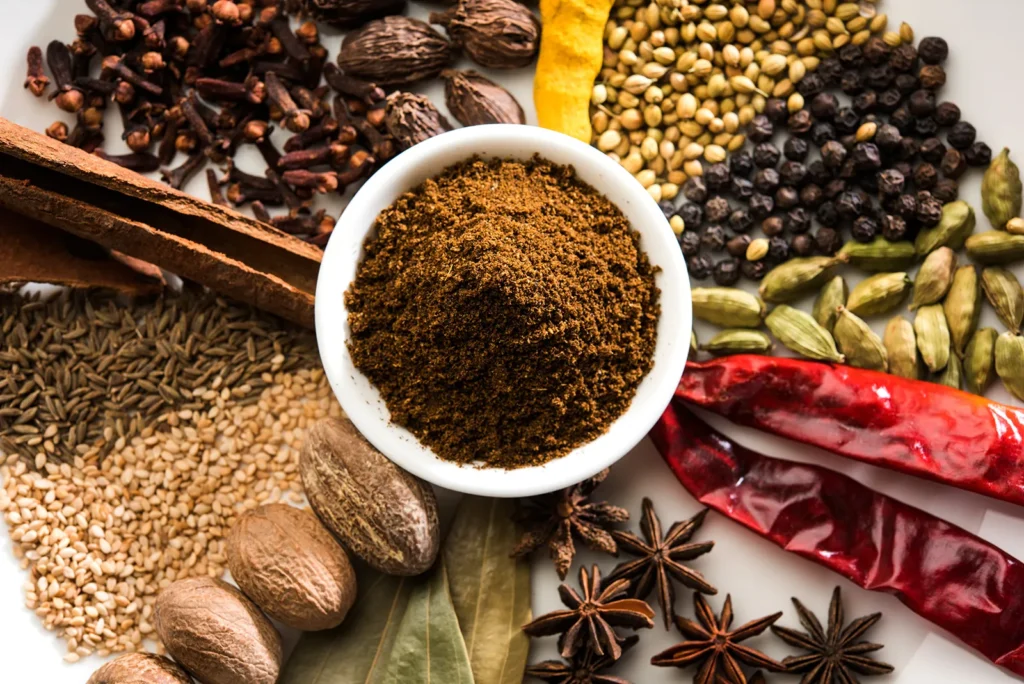
What Are Whole Spices?
Whole spices are spices sold in their natural, unground form. Examples include:
- Cumin seeds
- Coriander seeds
- Cardamom pods
- Cinnamon sticks
- Cloves
- Black peppercorns
- Star anise
- Mustard seeds
- Fennel seeds
- Bay leaves
- Nutmeg
These spices can be used whole, lightly crushed, toasted, or ground at home depending on the recipe.
Why Use Whole Spices?
1. Better Flavor:
Compared to pre-ground spices, whole spices have a stronger, fresher flavor because they include natural oils. These oils are momentarily released when they are toasted, giving your food more depth.
2. Longer Shelf Life:
Ground spices lose their aroma more quickly because more surface area is exposed to air. Whole spices stay fresh for a longer period when stored correctly.
3. Versatile Cooking Uses:
Whole spices can be added to curries, rice dishes, soups, stews, marinades, teas, and baked goods. They can also be ground whenever you need freshly prepared spice powder.
4. Authentic Taste:
Tempering or blooming entire spices in butter or oil is the first step in many traditional recipes. The genuine scent of foods like biryani, curry, pulao, and masala chai is produced by this cooking technique.
Popular Whole Spices and Their Uses
Cumin Seeds
Cumin seeds have a warm, earthy flavor. They are commonly used in curries, lentils, rice dishes, and vegetable recipes. Toasting cumin seeds before adding them to a dish enhances their nutty aroma.
Cardamom
Cardamom pods have a sweet, floral flavor. Green cardamom is often used in desserts, tea, rice dishes, and Indian curries. Black cardamom has a stronger, smoky taste and is suitable for hearty meals.
Cinnamon Sticks
Cinnamon adds a warm and slightly sweet flavor. It is commonly used in curries, biryani, stews, desserts, and hot beverages.
Cloves
Cloves have a strong, spicy, and slightly sweet flavor. They are often added to rice dishes, meat recipes, spice blends, and mulled drinks.
Black Peppercorns
Black peppercorns provide heat and a sharp, earthy flavor. They can be added whole to soups and stews or freshly ground for seasoning.
Star Anise
Star anise has a distinctive licorice-like flavor. It is popular in biryani, Chinese cooking, broths, and spice blends.
How to Cook With Whole Spices
One of the most common ways to use whole spices is through tempering. Follow these simple steps:
- Heat oil, butter, or ghee in a pan.
- Add whole spices such as cumin seeds, mustard seeds, cloves, or cinnamon.
- Allow the spices to sizzle for a few seconds.
- Add onions, vegetables, meat, rice, or other ingredients.
- Continue cooking according to the recipe.
You can also dry-roast whole spices in a pan before grinding them. This method creates a stronger aroma and a deeper flavor.
How to Store Whole Spices
Proper storage helps preserve the flavor and freshness of whole spices.
- Store spices in airtight glass or food-safe containers.
- Keep them in a cool, dry place away from sunlight.
- Avoid storing spices near the stove or other heat sources.
- Label containers with the purchase date.
- Buy smaller quantities if you use spices occasionally.
- Check for changes in aroma, color, or moisture before use.
Whole spices are generally best used within one to three years, depending on the type and storage conditions.
Whole Spices vs. Ground Spices
Whole spices are ideal when you want maximum freshness, long-term storage, and the option to grind spices as needed. Ground spices are more convenient and blend quickly into recipes.
For the best results, many cooks use both. Whole spices can provide a flavorful base, while ground spices add even seasoning throughout the dish.
Create Your Own Spice Blends
You can combine whole spices to make homemade blends such as:
- Garam masala
- Curry powder
- Pickling spice
- Biryani masala
- Chai spice
- Five-spice blend
Conclusion
Using whole spices in your food is an easy method to enhance its flavor, aroma, and authenticity. Each spice lends a distinct personality, from cardamom and black peppercorns to cumin seeds and cinnamon sticks. To make delectable homemade meals, store them correctly, toast them as necessary, and try various combinations.
Whether you are preparing a traditional Indian curry or a simple rice dish, high-quality whole spices can make every recipe more flavorful.